Daily logs for Nov 21, 2026
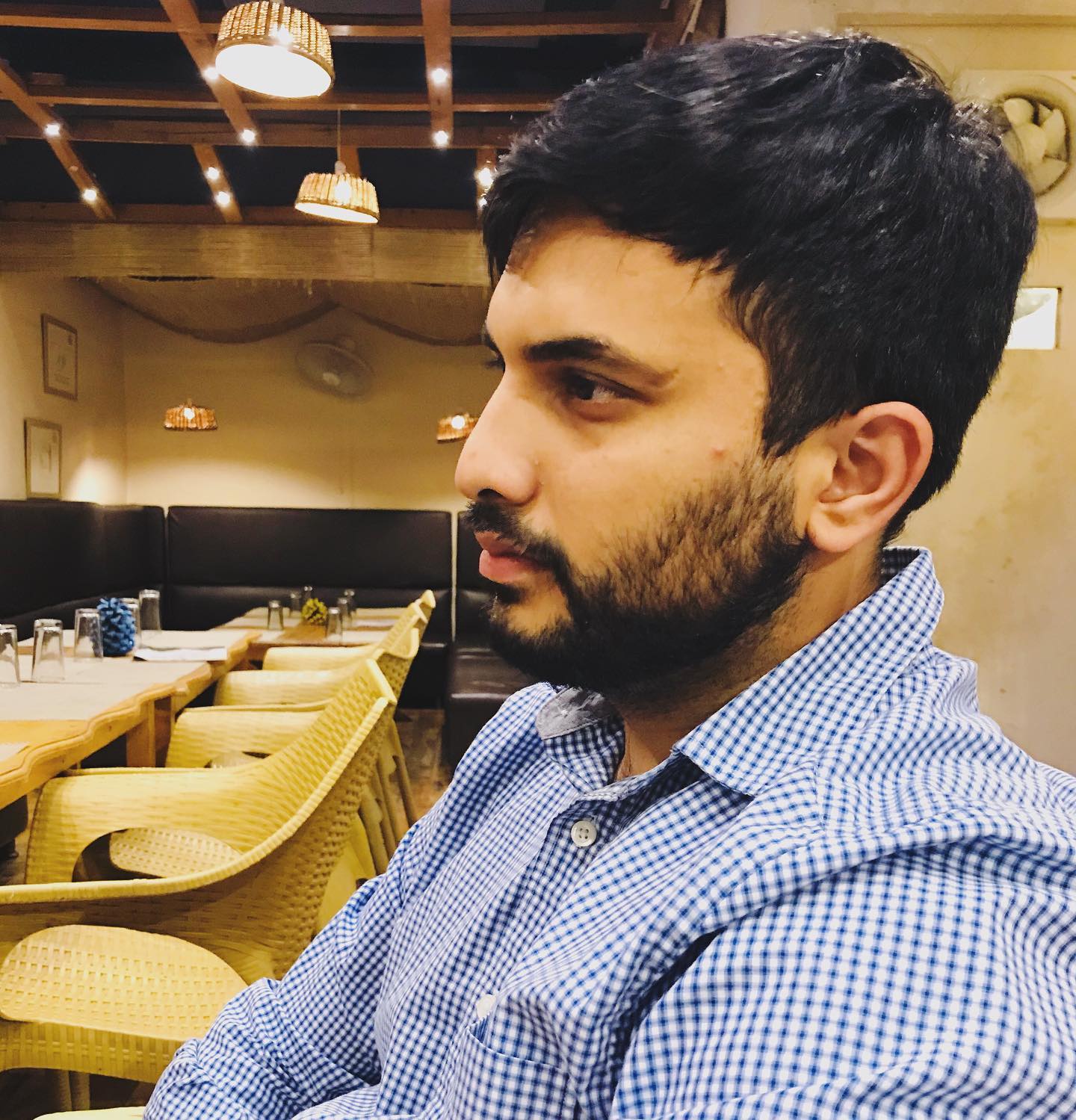

Dear Vishi, here are my logs for today.
Nourish appointment
My notes from my appointment with Kate:
I started going to OrangeTheory. After two months of strenuous workouts, my weight increased by one pound, even though I didn't eat any junk food. A one-pound change may not mean I gained fat, though. It could be water weight, inflammation after exercise, extra glycogen stored in the muscles, or even some muscle gain. My theory was:
-
HIIT makes you sweat a lot in a short time.
-
It can also increase your appetite. The body tries to maintain homeostasis, which means keeping internal conditions within a stable range, like body temperature. With weight loss, metabolism and appetite can adapt and make further loss harder. This is sometimes explained by the set-point theory, although the idea of one fixed weight is still debated.
-
Exercise can increase glycogen storage in the muscles. Glycogen is stored glucose that muscles use for energy, and it binds with water. This can temporarily increase the number on the scale without increasing body fat.
Next we talked about calories. I told her that calories are not fungible in every practical sense. One hundred calories from an apple contain the same amount of energy as one hundred calories from french fries, but they are not nutritionally the same. They differ in fiber, nutrients, fullness, and how easy they are to overeat. A calorie deficit still matters for weight loss, but it does not mean food quality is irrelevant or that eating less junk food automatically makes it healthy.
- HIIT temporarily increases stress hormones such as cortisol, but that does not mean it automatically burns more muscle than fat. HIIT can improve fitness and body composition. Still, recovery matters, and more intense exercise is not always better.
So I may limit HIIT to two times a week and see how my body responds.
She told me that walking is also good for weight loss, despite being boring. I might join a meetup and just walk.
More on set-point theory: growth charts are fixed until we are 18. I am not sure what that has to do with adult weight, though.
Two types of fat:
-
Visceral fat
-
Subcutaneous fat
Subcutaneous fat sits under the skin and helps give the body its shape. Visceral fat sits around the internal organs and is associated with greater health risks.
Is weight loss 80% diet? I don't know if that percentage is meaningful. Food intake has a large role in weight loss, while exercise has many health benefits and can help with losing weight and keeping it off.
Eating many tiny meals may cause smaller but more frequent insulin responses, while one large meal may cause a larger response. But meal size is not the only factor; the kind of food, the total amount eaten, and the person's metabolism also matter.
comments powered by Disqus